
Original cover of This Slavery published 1925
This Slavery by Ethel Carnie Holdsworth (Trent Editions, 2011) ISBN 9781842331415
The Ragged Trousered Philanthropist is often lauded by trade union leaders as the book of choice for their members, though I am not sure how many of them have ever actually read it! But This Slavery is a much more dynamic story of women activists as sisters and union activists and the choices they make as they face unemployment, and deserves to be much better known
Written by Ethel Carnie Holdsworth this novel shows a different world to the usual portrayal of a young Lancashire woman who didn’t get an education beyond the school leaving age, works in a factory and lives with their family in rented housing. Set in her home town amongst the cotton mills in Lancashire, the author shows that working class people can be political, can be feminist, can be active in campaigning for a better world and can enjoy classical music and poetry.
Ethel Carnie was born in 1886 in Oswaldtwistle near Blackburn. Like her family and friends she went to work in a mill at aged 11 years, whilst going to school on a half-time basis. At 13 years she went into the mill full-time as a winder. Working ten hours shifts she was self taught through using the local Co-operative library, with her reading ranging from Dickens to the Persian poet Omar Khayyam. She started to write poetry and eventually had some published in the local paper. Spotted by socialist author Robert Blatchford she eventually left the mill and took up a writing career. She was clear that she wanted to write books about her own class: “What I feel is that literature up till now has been lopsided, dealing with life only from the standpoint of one class.”
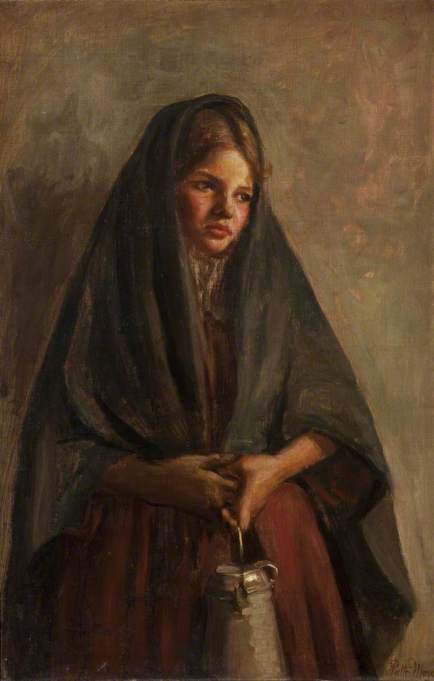
Half Timer by Patti Mayor
In This Slavery Ethel wrote from her own experience of the factory system and the specific viewpoint (although not the only one) of the lives of women. Set before the First World War it’s the story of a family of women cotton workers (the Martins) and it is through their story, and the effects of poverty and unemployment that Ethel educates the reader in the historical traditions of why there was a vibrant labour movement during this period. It is not a story of victims but of real people: women and men who took militant action against the factory system.
What I like about the book is the anger felt by the Martin sisters; Hester and Rachel. Rachel becomes active in the fight against the factory owners; “So long as this system remains as it is I’ll attack it.” Her sister, Hester, on the other hand, decides to marry a factory owner to escape poverty; “I am tired of being a slave. I don’t want to spend my life like my mother has spent hers” Although the sisters then end up on different sides during the dispute, the story shows how they both struggle in their own ways against two systems of slavery; the factory and marriage.
In October 1923 it was serialised in the labour movement paper the Daily Herald which made it more accessible to a working class audience. Two years later the labour movement published a cheap edition of the novel, making it more affordable for the audience it was written for.
This Slavery is very much a polemic. Ethel spent her life campaigning for justice, and specifically the rights of working women. Some of the language seems old-fashioned and reads like a political tract, but running through the book is a sense of anger at a system that makes slaves of people who are denied not just roses but bread too. In many ways it’s a story for 2023, showing that even the poorest people can make changes to the lives they live, not just as individuals but also in society generally.
Buy it here


 lipstick socialist
Facebook’d
That’s reminded me that the first time I went to the Working Class Movement in Salford was to read stuff by Carnie, it was her jounalism pieces in the Woman Worker, I think. And that paper was edited by Robert Blatchford, whose newspaper the Clarion inspired the lifestyle activities detailed in our current exhibition http://www.wcml.org.uk/events/the-clarion–a-paper-a-movement-a-way-of-life/
Funny how lots of things in the library are interlinked
Slightly ashamed to say I’d not heard of this book. Now I want to read it!
Well done, L.S., for a well-constructed review bringing this to wider attention. There’s a surprising dearth of this kind of material actually written BY working class women. It’s important on many levels, and vital grist to the, er, mill, for those of us who believe the industrial working classes at this time were more than capable of coming to their own political conclusions. Almost like normal people! Weirdly this is still quite a controversial view in some quarters…
I love the way you write! And the book is much more than my 500 words could summarise. Ethel talks about the global labour movement, the role of unions, religion etc etc… Its all there! Hopefully Nicola will continue her research and produce a book about Ethel. I didnt know she set up the first anti-fascist organisation called “Clear Light” – you may know about it? BX