Stop,Look,Listen…my weekly selection of favourite films, books and events to get you out of the house


Watch

this changes everything

This Changes Everything based on Naomi Klein’s best selling book this film asks us not to fear the impact of climate change on our environment but to seize the opportunity to build a better world. Made in 2011 the film was shot in nine countries and five continents over four years. We learn about communities on the frontline of climate change and what they are doing about it. Seven communities are filmed from Montana’s Powder River Basin in the USA to Canada’s Alberta Tar Sands. The filmmakers ask the question; What if confronting the climate crisis is the best chance we’ll ever get to build a better world? Most importantly it’s aim is not to frighten people into retreating into our homes but to encourage us into getting together with groups including the Green Party to build a better world. Its being shown at two venues in the northwest over the next few weeks. On 24 November Unison NW and Global Justice now are showing it in Manchester at the Unison regional centre. Further details see  And on 2 December the Tameside Green Party have organised a screening in Mossley. Further details see

Read

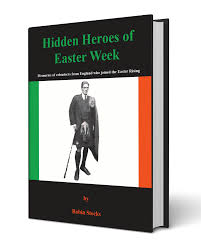
hidden heroes of easter week
Hidden Heroes of Easter Week by Robin Stocks. He is not an academic, he’s not Irish but he was interested in the stories of his father-in-law who had a cousin from Stockport Grtr. Mcr who took part in the Easter Rising in 1916. 1916 was a key event in the history of Ireland’s struggle for independence and next year there will be many celebrations in Ireland and other places where Irish people have come to call their home. This is the untold story of the Irish who were living on this side of the Irish sea but who secretly travelled to Ireland to stand alongside republicans and nationalists to try and free Ireland from British rule. It is a fascinating story and made so because of the long and torturous history between Britain and Ireland; one that is still going on as Ireland is still a divided country with 6 Counties still under British rule. Robin Stocks has diligently researched the stories of four people from the Manchester area who took part in the Rising. He has used new documents released by the Irish government in 2014 that revealed the names of people who had applied for government pensions because of the role they had played in the Rising and the War of Independance. It is an important book because it records the role of the not so famous republicans but who played a key part in Irish politics. As Robin says; “This is an attempt to return a few of the extraordinary “ordinary” people to their rightful place in the chronicle of the Twentieth Century.” Buy it from Robin manchester16volunteers@outlok.com

Commemorate

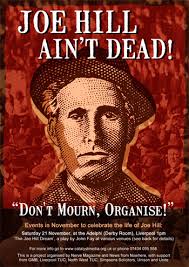
joe hill liverpool
Joe Hill. Watch this brilliant play; The Joe Hill Dream by John Fay. Its a fascinating insight into the world of the Industrial Workers of the World and one of their most famous members; trade union activist and singer/songwriter Joe Hill. 100 years ago, on 19th November, 1915, he was executed by firing squad in Utah, US, after what many considered a biased trial. In the play we also learn about Elizbeth Gurley Flynn, an outstanding activist in the IWW for whom Joe wrote this wonderful song, one of my favourites, Rebel Girl listen to it at
Go see the play at the Salford Arts Theatre on 27 November. Further details see

Posted in book review, drama, feminism, films, human rights, Ireland, labour history, Manchester, music, political women, Socialism, Tameside, trade unions, Uncategorized, women, working class history | Tagged , | Leave a comment

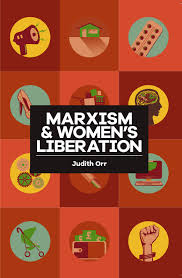
Book Review: Marxism and Women’s Liberation by Judith Orr

judith orr

Recently fundraising for a play about Mary Quaile, an Irish trade unionist, our group contacted all the feminist historians in this country and Ireland. Only 2 responded and made a donation they were the socialist feminists. One of them was Sheila Rowbotham who recently commented to me that the term “socialist feminist” is rarely used these days.

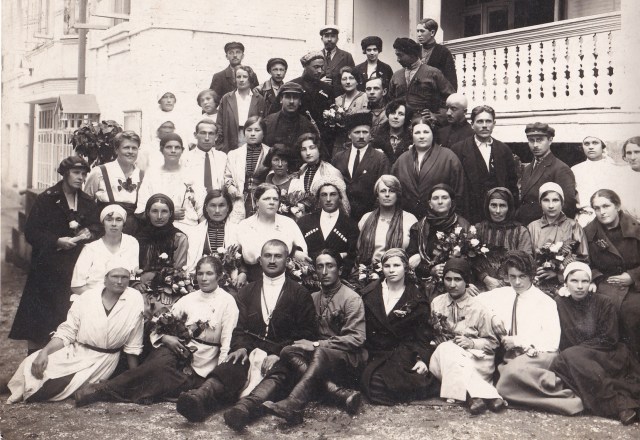
Mary Quaile in the Soviet Union 1925.jpg

Mary Quaile on delegation to the Soviet Union in 1925

Judith Orr’s accessible and readable history of the struggle for women’s liberation explains why the term feminism has been disengaged from the term socialist. She traces the history of the various stages of women’s struggles for equality but sites class as the main reason for the oppression of women.
“This book seeks to offer an analysis of the position of women in modern capitalism building on the tradition of Marx and Engels and the many revolutionaries who followed them.”
She shows how their analysis of the privatisation of property, the state and the family as we know it today has led to the oppression of women even today in 21 Britain.
This book is wide ranging; incorporating the history of the US women’s movement as well as reviewing some of the major historical events that have affected women’s struggle for equality and justice over the last 100 years.
But like many books produced by left wing activists today there is a major omission; the affect of the conflict in Ireland and the way it has shaped the politics of this country. Marx understood this; The task of the International was “to make the English workers realise that for them the national emancipation of Ireland is not a question of abstract justice or humanitarian sentiment but the first condition of their own social emancipation”.
Over the centuries the occupation of the island of Ireland by the British has shaped the politics of this country. Not just in terms of how we view colonialism but the way in which the Irish have been involved in the trade union and labour movement in this country.
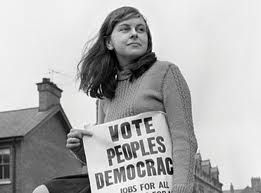
I am from an east Manchester Irish working class family and even from an early age I realised how different my family were from other families. They lived in this country but were always looking back to Ireland. When the civil rights movement started in the North of Ireland in ‘68, for my father,like many Irish people over here, it was a time of celebration, and for me it was a realisation that one of the key figures in contemporary politics was on my TV screen most nights and it was a woman; Bernadette Devlin. It is hard to explain to people outside the Irish community the affect that she had and the way in which in particular, men such as my father, working class intellectuals, saw her as equivalent to James Connolly.

bernadette devlin

Bernadette Devlin, 1969

The new phase of the war in the north of Ireland from the late 60s-90s had a profound affect on many Irish women in this country as well as on the island of Ireland. Groups such as the one I was active in, the Irish in Britain Representation Group, reflected the politicisation of a whole new generation of second generation Irish young people; many of them were young women like me who came from a socialist and trade union background. Some Irish women chose to organise independently on issues as wide ranging as abortion, culture, and sexuality.
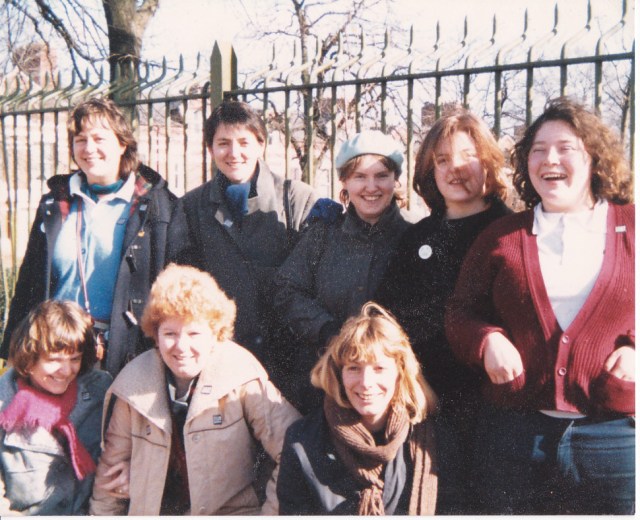
Groups such as Women and Ireland organised annual delegations to the North of Ireland and when I went on the 1984 delegation it included women from the pit villages as well as women trade unionists. They gave support to republican women who were imprisoned for their political activity as well as women active on issues around discrimination and poverty.

Women And Ireland Delegation 1984

Women and Ireland Delegation in Belfast 1984

The war in Ireland, over the centuries, has affected the history of political struggle in this country; even if people on the Left want to ignore it. The north of Ireland was the laboratory for the British state to try out methods from torture to surveillance techniques. These have had a major effect on the freedom of people of people on this side of the Irish sea to organise and campaign; the miners instantly understood this when they went on delegations to the north of Ireland. It was a mirror image of their lives in pit villages.
Judith has written an important book challenging the feminist lite brigade that dominate the discourse on women’s struggles. But for a book concerned with the role of the working classes there are too many quotes from London based middleclass feminist commentators. And what a dull title! It does not do justice to the content. Hopefully her book will start a more wide ranging and inclusive dialogue about the real lives of women in this country.
Hear Judith speak about her book on Wednesday 25 November 7pm at Friends Meeting House see

Posted in Bernadette McAliskey, book review, feminism, human rights, Ireland, Irish second generation, labour history, North of Ireland, political women, Socialist Feminism, Uncategorized, women, working class history | Tagged | Leave a comment

Stop,Look,Listen…my weekly selection of favourite films, books and events to get you out of the house

Watch

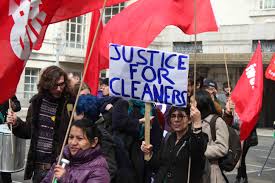
justice for cleanersLimpiadores (Cleaners) a documentary about a group of Latin American low paid workers at some of London’s universities. Cleaning has always been low paid work and made much worst over the years as even big public service employers such as universities or the NHS are either cutting the wages of the workers or privatising the service. It is also been an industry that employs some of the most vulnerable people, including women and immigrants.  In this film we watch the story of Latin American people who are cleaners challenging the management of some of the most prestigious academic universities over their policies of cutting pay and conditions and winning.
The film was made by Fernando Gonzalez Mitjans and is being shown on Thursday 19 November 5-7pm Ellen Wilkinson Building A5.5, University of Manchester. It’s a shame that the film is not being shown at a more central and accessible location. Not sure if the cleaners at the M.Uni have been invited?? See trailer at
Book a place at discourseunite@gmail.com. Find out more about a different type of trade union see

Experience

winterWinter – the  latest Shakespearian offering from 3MT. Shakespeare with a Mancunian twist: a new adaptation of The Winter’s Tale  by John Topliff and directed by Gina T. Frost. They say; Set in the dark austerity of Post-War Mancia, and the brave new world of the 1960’s ‘Winter’ traces the journey of two young friends through war and peace, love and jealousy, to the final startling conclusion. It is on  17-21 November, for further details see

Explore

M Ship canalSome local history; Inland Port- the Films of the Manchester Ship Canal. Before the replacement of real industry by the likes of Media City, the Lowry and the IWM there was a thriving port which was a crucial part of the northwest economy, employing thousands of people. Find out more at this screening by the North West Film Archive. The Ship Canal Company even made their own promotional films. Part of Explore Archives week at Manchester Central Library, it is free and you do not need to book. Further info see

Listen
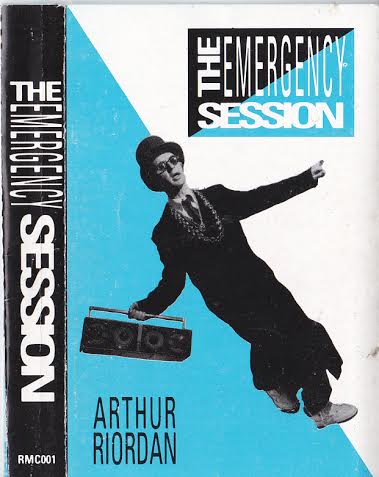
emergency sessionto Arthur Riordan’s 1992 take on Ireland in 2016. I bought the cassette (!)”Emergency Session” in Ireland in the 90s and could not stop playing it. For second generation Irish on this side of the Irish Sea it summed up many of the reasons why we disliked the Irish State. Today Ireland has changed considerably but you still cannot get an abortion there and thousands of young people are still forced to leave the country to find work. Enjoy The Emergency Session at

Posted in Uncategorized | Tagged , , , , | Leave a comment

Stop,Look,Listen…my weekly selection of favourite films, books and events to get you out of the house

Watch

taxi tehran
Taxi Tehran What do you do if the country you live in bans you from doing your job? Well you get another one. In this new film banned Iranian filmmaker Jafar Panahi takes up taxiing to explore life in modern day Iran. Its not just conversations between Jafar and his customers but between customers that are most revealing. A young man gets in, followed by a woman. He is irate about the crime in the city and prescribes public hangings, she resists and challenges the purpose of capital punishment. We don’t get to know the real occupation of the young man, maybe he is a policeman? But the woman is a teacher who probably knows more about the desperation of young people and their families. Another passenger is a woman carrying roses, and although she isn’t named she is human rights lawyer Nasrin Sotoudeh, on her way to prison to visit a hunger striker. It is easy from the outside to feel depressed about human rights in countries such as Iran but its when you watch films like this that you shouldn’t be, after all its down to Iranians themselves, such as Jafar and Nasrin, to change their country and we should admire their courage in demanding their rights to live in a democratic society.

Remember

joe hill liverpool
Joe Hill Ain’t Dead (1879-1915) on 21 November in Liverpool. He was a songwriter and union activist, framed and then executed by the state of Utah. His creative way of campaigning and organising has relevance today for those fighting for workers’ rights. His work lives on in the dynamic International Workers of the World who have been active in organising in some of the most difficult parts of the labour force; cleaning and catering. Learn more about Joe in John Fay’s play “The Joe Hill Dream” which will be performed by the Dingle Community and Vauxy Theatre. Listen to women activists from “Northern ReSisters; conversations with Radical Women” as they inspire people to get active in trade unions, anti-cuts and community actions. Further details see
Read

bury the chains
Bury the Chains The British Struggle to Abolish Slavery by Adam Hochschild. Another brilliantly written and accessible history of the campaign against the slave trade. A reminder for all of us working hard to win campaigns that a small group of committed people can make a difference. This week Shaker Aamer was released from Guantanamo Bay after 14 years without justice and reading this book reminded me of how slavery, at all different levels, still exists even in the so called western democracies. Adam reminds us that the campaign against the slave trade was fought at a time when most people were prisoners, their bondage was part of a global economy based on forced labour. Opposing this trade would have been seen as akin to treason in the 1700s but by the end of the 1833 it was abolished. This is the story of those people who took up that challenge.

Find

mancunian way
Out about motorways. Love them or hate them we all use them and the recent collapse of part of the Mancunian Way shows how crucial they are to getting around the city. The Manchester Modernist Society and Proper Magazine are hosting a night of films to celebrate the history of motorways in the northwest; On the Road on November 26 at the Castlefield Gallery in Manchester. Films made by organisations as diverse as Ribble Buses, The Cement and Concrete Association and the building firm Laing. I did not make up these names! Further details see

Posted in Uncategorized | Tagged , , , , , | Leave a comment

Book Review: DOCKERS The 95-98 Liverpool Lockout by Dave Sinclair

dockers

In 2015 the number of people on zero hour contracts make up 2.4% of the UK workforce of 31 million people. (Office of National Statistics). And where are those contracts? Well in the work places you might expect such as hospitality and leisure but also increasingly in health, the care industry and universities all of whom increasingly rely on zero hour workers.
Workers on zero hour contracts earn less per hour than staff in similar roles and are denied benefits such as sick pay. They have no security at work and are difficult to organise into trade unions to fight for real not zero hour contracts.
How did we get to this situation in Britain? The Liverpool Dockers Lockout of 1995-1998 signalled a major shift backwards in the way some people worked. As Ken Loach says in the foreword to this book; “What was at stake was the nature of work itself”. He believes that the attack on organised labour started with the election of the Tories in 1979 who brought in anti-trade union laws whilst at the same time closing down factories and industries and throwing millions of people on the dole. The rest as they say is history,
But the Liverpool Dockers were not prepared to accept the clock being turned back to a time when men were reduced to being day labourers with no permanent contract, dependant on being “chosen to work” on a daily basis.
Dockers is the photographic story of a historic fight of a group of workers and their defence of their jobs and way of life. It began with the employers picking off smaller ports and employing non-union casual labour. But when it came to Liverpool the dockers refused to accept these new working conditions and were locked out and agency workers were brought in to do their jobs.
Dave Sinclair started recording the lockout on Wednesday 27 September 1995. The dispute had started two days earlier when a small dock supply company, Torside Limited, had dismissed its entire workforce of eighty young dockers. Most of these young dockers had fathers working for the Port Authority, the Mersey Docks and Harbour Company. The next day the young dockers picketed the gates of the Seaforth Docks and the dockers refused to cross the picket line and all 500 dockers were sacked. It was not a strike, it was a lockout.
Dockers is a fascinating record of a dispute that has been largely forgotten by the labour movement: a dispute that has had major consequences for the trade union movement in terms of increasing insecurity of work, of low wages and the increased casualisation of work throughout the labour force.

dockers picket
I went on several of the demos in Liverpool, heard the emotional appeals of the women and their Women on the Waterfront campaign and sadly watched as their union, Unite, and the Labour Party refused to support them. But these photographs also show the incredible support that the dockers had from all parts of the community in this country, well beyond the Liverpool docks. It is an important reminder of the solidarity shown by groups as diverse as Reclaim the Streets, Turkish/Kurdish supporters from London, and Asian women from the Hillingdon Hospital dispute.

women of the waterfront
Dockers is a reminder of how important it is for the people involved in making working class history to record their own stories. Luckily the Liverpool dockers and their families had Dave Sinclair to do it for them. But looking at the photographs made me want to know what were the individual stories behind the organisation of the strike, the personal stories behind the heroic and heartfelt images of the dispute over the years 95-98. Britain in 2015 is not Liverpool in 1995 but I think we can all learn a great deal from a group of workers and their community who stood up and defended their right, not just to a job, but to living a decent and dignified life.

Buy it from see
Watch Ken Loach’s documentary about the Lockout The Flickering Flame see
Watch Jimmy McGovern’s drama about the Lockout Dockers see
Listen to Chumbawamba’s song about the dispute; One by One

Posted in Uncategorized | Tagged , , , , , , | 1 Comment

Stop,Look,Listen…my weekly selection of favourite films, books and events to get you out of the house

Watch

BP filmThe Black Panthers Vanguard of the Revolution (Home). This is the story of how thousands of black working class women and men were not prepared to accept being treated as second class citizens in the USA of the 1960s; they were Black and they were Proud. Their anger led to the creation of a new organisation; the Black Panthers. They were political – they saw the links between capitalism and racism – and they took up guns to protect their community. But they also looked after the poor in their community, setting up breakfast clubs for children, health clinics for  black people and producing their own newspaper as part of their campaign for justice. Over the years I have seen many documentaries about the Panthers and this is one of the few that interviews the women who made up a significant part of the organisation, including women such as Kathleen Cleaver, partner of the better known Eldridge. The USA in the 60s, looking back, seemed a totally mad society run by lunatics such as Edgar Hoover of the FBI and President Richard Nixon. The anger of the young black people seems totally understandable, an anger that had a political strategy as well as a military one. The 60s generation was an angry one but one that still seemed to believe in a better future. Today it seems that there is a growing anger in this country but one that does not have any political focus beyond joining (sorry Jeremy Corbyn) the discredited political parties. For all the problems inherent with the Black Panthers but  they did for a time represent the hopes and dreams of many black people across the age range and they showed how it is working class people deciding their own agenda that  will really  deliver justice and equality. In the Uk you can support this group who campaign for justice for people who have died in police custody see

Support

ment health 7 novManchester deserves better mental health-a national scandal. Join trade unionists and local campaigners on Saturday 7 November 2-5pm at the Friends Meeting House, Manchester. They say; Our branch of UNISON, Manchester Community & Mental Health, is extremely concerned about the state of mental health services in Manchester. Services and staff are near breaking point in Manchester – which is a local scandal. It’s a national scandal too, that mental health services generally are still so poorly resourced. Further details see

Find out

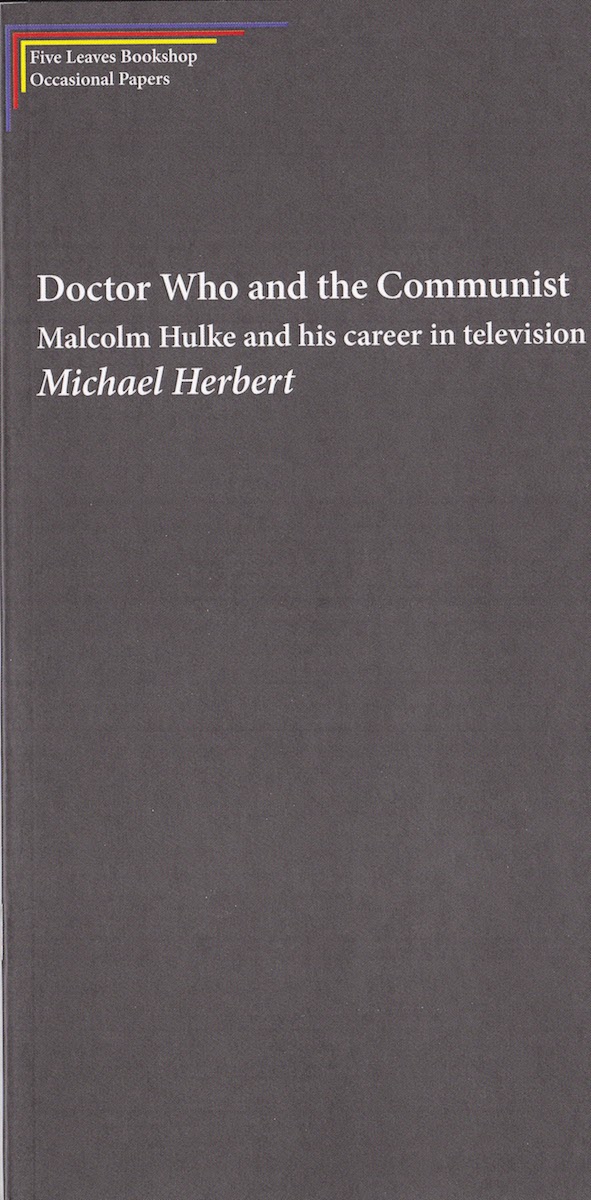
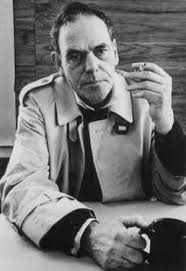
Mac hulke front coverabout Malcolm Hulke. He wrote episodes of The Avengers and  Doctor Who in the 60s and 70s and invented the Silurians, but for me, he was much more interesting because he was also a member of the Communist Party and expressed his progressive ideas (including women’s equality) about society through his writing. Radical historian Michael Herbert will be talking about him on 11 November, 2pm, at the WCML. Read his pamphlet telling the real story of Malcolm’s life see.
Go

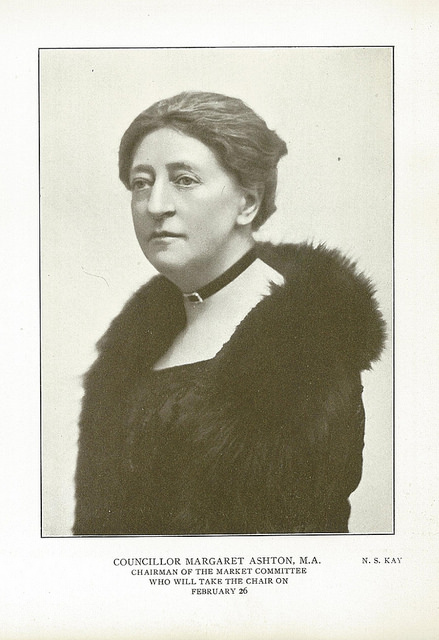
margaret ashtonto an exhibition about Margaret Ashton ( 1856 –  1937); the first women councillor for Manchester City Council, a suffragist and a campaigner for social reform. She came from Hyde, Tameside  a meber of a wealthy mill owning family. Might sound tame or even conservative in today’s politics but she was one of the brave people who opposed the First World War from a pacifist perspective for which she was attacked by Manchester City Council which saw her politics as akin to treason. Find out more about this pioneering woman at Manchester Central Library from 4 Nov – 11 December.

Posted in Uncategorized | Tagged , , , , | Leave a comment

Dare to be Free ; the life of Irish Trade Unionist Mary Quaile

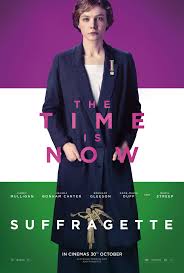
The film Sufragette gives a very sanitised and selective view of the lives of working class women in this country. The main character, Maud, is a victim of her husband and her exploitative employer, and when she gets involved with the suffragette movement is then exiled from her community. Not true. The East End of London in the early part of the century was a hotbed of trade union militancy, women workers fighting for rights at work and the Fenians agitating for freedom for Ireland.

If we want true history socialists and trade unionists need to research and write their own history. That is why the Mary Quaile Club started up and why we are in the process of commissioning a play and a pamphlet about the life of an unjustly forgotten heroine of the trade union movement

Mary Quaile

Dare to be Free was the motto that trade unionist Mary Quaile wrote above her signature in an autograph book of famous trade union activists in 1924. The motto summed up her life. She dared to become a trade unionist and activist in Manchester in the early 20Cth and was a key figure in Manchester Trades Council, the TGWU and on the TUC General Council in the 1920s.
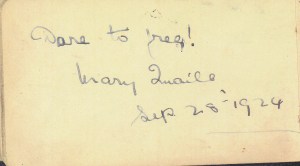
Mary's signature

Mary’s signature

Today her life is an inspiration for low paid workers and trade unionists facing the onslaught of new Tory legislation that directly attacks the rights of workers to take strike action and legitimises the use of scabs to cover strikes. Quaile was also known for her support for marginalised groups including homeworkers as well as encouraging more women to join trade unions.

She was born in Dublin in 1886, one of nine children to James and Bridget Quaile. James Quaile was a prominent member of the Brick and Stonelayers Union in the city, but, like many Irish workers over the centuries, he moved to England for work.

Mary went to work at the age of 12 years as a domestic, a familiar path for Irish women to work in the houses of the upper classes of Manchester. By 1908 she was a cafe worker in one of the many establishments in the city of Manchester. Cafe work was not pleasant or well paid. Quaile was not prepared to accept the poor pay and conditions and like many cafe workers of that period she chucked aside her uniform and with her fellow workers walked out of the cafe and went on strike. She set up a Cafe Workers trade union and started her lifelong commitment to trade union activity.

When the First World War broke out in 1914 Mary was one of the brave people who spoke out against it. Not an easy task particularly as at least one of her four brothers was conscripted. When he was invalided out she became his carer.

In 1923 Mary was elected to the General Council of the TUC, one of the first women to do so. In 1925 she went to the Soviet Union as part of a TUC delegation, spending four months travelling across the country and  finding out about the new socialist society.
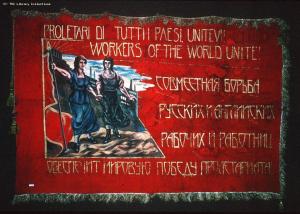
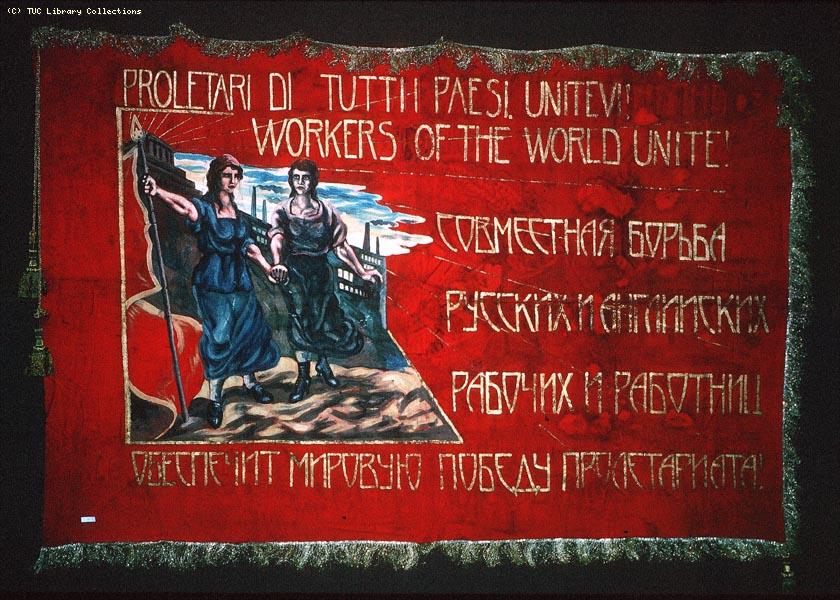
Soviet banner given to the TUC womens delegation in 1925

Soviet banner given to the TUC womens delegation in 1925

In 1951 she was awarded the TUC silver medal in recognition of her life’s work as trade unionist. Quaile died in 1958 Her obituary said; her determination to get trade unionism for women accepted was often met with jeers, boos, rotten apples, and threats of violence. She spoke at hundreds of factory gate meetings in both the East End of London and Manchester; she never betrayed any sign of fear when faced with hostility. Her warmth and lovable personality won for her many friends in the labour and trade union movement.”

Her name had been almost forgotten except in the work of Ruth and Eddie Frow of the WCML, who inspired a new generation of historians and activists to research her life. Like many working class women activists of that era, Mary did not write her autobiography and it’s been quite a task for socialist historian Michael Herbert to piece together her life from newspapers and other sources. He says, “Mary was very well-known in her own era as a trade union activist, speaking at countless meetings, but she quickly became forgotten after her death as often happens. We need to remember Mary and other women of that era such as Julia Varley, Anne O’Loughlin and Dorothy Elliott, who were pioneers in organising low-paid women workers, and put them back into the history of the trade union movement.”

In December 2013 the Mary Quaile Club was set up by a group of activists who are determined to remind people of the importance of Quaile. The Club holds regular discussions on working class history and its links with contemporary political issues facing working people in Tory Britain.

As part of Manchester TUC’s May Day in 2016 the MQC are planning a pamphlet and play about Mary’s life to inspire new activists to learn from her life and recognise the value of trade unions.

The pamphlet will tell the story of Mary Quaile’s life: the second half will tell the stories of modern day “Marys”, both young and older women, who are following in her footsteps as activists in their trade union.

Sarah Woolley is a young activist in the BFAWU, a shop steward who is involved in recruiting new union members from the fast food industry into her union. And RMT activist Lorna Jane Tooley a young woman who has been involved in the recent industrial disputes on the Tube. Being a trade union activist has given her the confidence for her to join the Green Party and stand in the 2015 General Election.

And what do these new modern Marys feel about following in her footsteps. Tooley’s response was; “She had some guts and spirit and she is a good role model. Its amazing that she achieved so much.” Woolley commented; “She’s done what I would like to do; lead my shop out on a strike and stand for the TUC”

The MQC has also started fundraising to bring Mary’s life to the stage in a play linking her life with the fast food workers of today:to remind people of her life and show young workers that they can change their lives at work through getting involved in a trade union.
Unite North West Women’s and Equalities Officer, Sharon Hutchinson said of Quaile; “Mary Quaile was a woman ahead of her time. She is a shining example to women of today showing how anything be achieved if you have the determination and commitment. I know the women of my union are proud she is a part of our history.”

The play will be premiered at Manchester TUC’s May Day in 2016 and a financial appeal has now been launched to raise £11,500 to get the play produced. Support has come from both individuals and trade unions including Unite, Unison, BECTU, NUJ and PFA.

Donations can be sent to the Mary Quaile Club c/o 6 Andrew Street Mossley OL5 0DN. Further information see https://maryquaileclub.wordpress.com/


Posted in Uncategorized | Tagged , , , | Leave a comment

Stop,Look,Listen…my weekly selection of favourite films, books and events to get you out of the house

Watch

suffragetteSuffragette (general release), set in the East End of London in 1912. Maud Watts is a laundry worker who becomes involved in the suffragette movement as it escalates its policy of direct action. Her personal life is destroyed as her political activity takes over her life. Unfortunately Maud is portrayed as a lone working class activist who is ejected from her home by her husband and exiled from her community because of her politics. This omits the real history of the East End of London at this time: it was a hive of militant activity and Maud would have been just one of many working class women who were active in organisations, including trade unions and Sylvia Pankhurst’s East End Federation. One aspect of the film I find really objectionable is the characterisation of the working class men: they are all baddies. Many working class men supported their wives, partners, mothers and sisters in their campaigns for the vote. The history may be skewed but I do think it does show the reasons why many working class women did get involved in the suffragette movement and also (although personally I find her imperious) the incredible charisma of Mrs. Pankurst. But also watch Shoulder to Shoulder a much more reliable history of the suffragette movement with local heroine Annie Kenny which is  only available on Youtube see

Find Out

jim allen about “The Lump”, writer and socialist Jim Allen’s play about the building industry in the 60s, although there are lots of parallels with today. He believed that drama should make you angry, angry enough to want to do something, well this is a monumental expose of capitalism and one man who is not going to put up with it anymore. The film will be shown on Saturday 14 November at the 3MT. Producer Tony Garnett will be there, talking about Jim, the film and why there is no left wing drama on TV today. Advance booking essential, not many tickets left, contact maryquaileclub@gmail.com
Look

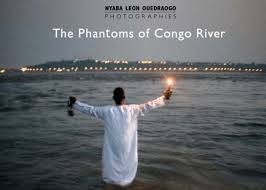
phantoms of congoat The Phantoms of Congo River: Photographs by Nyaba Ouedraogo. The north west of England has a significant Congolese community, brought here by a war in their country that gets little publicity in the news. In this exhibition we get an insight into another aspect of the history of the country as well as seeing some fantastic photographs. The photographer is self taught and is using a British C19th novel The Heart of Darkness by Joseph Conrad to explore ideas about colonialism and racism. The artist describes the works as ‘photographic poetry’: he says it is not about the reality of life but the language of rituals and the use of the mystical to express his vision, as opposed to describing the reality of life.Also on display are some of the Museum’s C19th objects “taken” from the Congo! Maybe they should give them back. Unfortunately the exhibition is hidden away on the 3rd floor of the Museum so it’s a trek to get to, but worthwhile. Further info see

Read

half of a ysHalf of a Yellow Sun by Chimamanda Ngozi Adichie. A reminder of a forgotten war in Nigeria; the Biafran war of 1967-70. Nigeria was a creation of the UK which in the early 1900s  carved up part of West Africa and named it Nigeria – totally ignoring the different ethnic, religious and linguistic differences of the people in this area. After independence in 1960 the growing tensions between different groups led to the attempt by part of the country, Biafra and the Igbo people, to break free. The author is from Biafra, her relatives died in the civil war, and the strength of the book is her insider’s view of the conflict. I liked the story of the two sisters and their constant battle, also the character of Ugwu the young man who becomes the houseboy and much more. It is a novel, not a history, but I found it totally engrossing, compassionate and humane. Buy it from

Posted in Uncategorized | Tagged , , , , , , , , | 2 Comments

Book review; “Ujamaa The hidden story of Tanzania’s socialist villages” Ralph Ibbott

From 15-20 October 1945 a meeting of the Pan African Congress took place in the Town Hall, Chorlton-on-Medlock in Manchester. Activists from across the Caribbean and Africa got together with trade unionists and anti-imperialist groups to raise the issue of the enslavement of millions of people in colonies owned by European countries including Britain, France and Holland. The Congress called for liberation of its people and lands at a time when the very same colonial powers were patting themselves on the back for having defeated the Nazis and its world domination policy.
Taking part in the Manchester meeting were a group of men who went on to become the leaders of anti-colonial struggles including Jomo Kenyatta from Kenya and Kwame Nkrumah from Ghana.
pan plaque 2

The Congress and its delegates reflected the anti-imperialist movement and the important role that organisations including the trade union movement and Communist Party played. Local CP activist and former boxer Len Johnson was there as was fellow activist Wilf Charles. The emphasis of the movement was socialist and anti-imperialist; it included people from all backgrounds including African and Caribbean, black, white and mixed race, women and men.

Few people at the time recognised the importance of this meeting but only two years later India was an independent country, followed by Ghana in 1957. As Selma James reminds us; “Black Africa, maligned, demeaned and brutalized in every way, was lifting itself up, able finally to show its own worth and determine its own future as much as any single country can – and maybe even to unite as a continent.”

In this fascinating book Ujamaa; The hidden story of Tanzania’s socialist villages we learn about the charismatic leader, Julius Nyerere, and his radical alternative strategy to make Tanzania a truly independent country. In 1961 it won its independence but Nyerere realised that unless the country had independence from Western economic, political and military power it would never be truly be free.
In the introduction to the book Selma James reminds us of an important era in the history of Africa when Nyerere tried to roll out a radical socialist strategy in the development of Tanzania. He recognised the pitfalls for the new state in the policy of Africanisation – where local people stepped into the posts that were previously filled by the colonisers. He believed that this would lead to the continuance of repression and not truly free the country.
ujamaa

His strategy was to promote Ujamaa or African socialism. It would build on traditional village life – but without the usual exploitation of women’s labour – and evolve communities that would work together to build a caring society not one dependent on foreign capitalism. He said; “Modern African socialism can draw from its traditional heritage the recognition of ‘society’ as an extension of the basic family unit.”

It was on 7 November 1960 a group of people led by Ntimbajayo Millinga, 21 years old, a secretary of the Tanganyika African National Union (TANU), set off to build the first ujamaa village.

The main part of this book is the unpublished manuscript that Ralph Ibbott wrote over forty years ago about the grassroots organisation that made socialism happen in Tanzania. He recounts that the history of the Ruvuma Development Association, which was the organisation of the Ujamaa villages, sharing skills, practices and resources. Ibbott and his wife Noreen, were development workers, expelled from Rhodesia, who played a supportive in this socialist experiment to bring in communal equity and mutual accountability. They lived in the lead village Litowa with their four children from 1963-1969.

Crucial to the Ibbott’s involvement in the RDA was their relationship with the villagers. They had the skills and experience of collective development but they only facilitated the work, and stepped back from being involved in the decision making process. They shared their skills but did not dominate or take over key roles within the association.

The RDA consisted of 17 self-governing villages which worked the land communally. It built a caring society where together the villagers organised the production of food, distribution, housing, childcare, education and healthcare without the input from foreign capital.

But even in socialist Tanzania of the hopeful 1960s the Ujamaa project faced opposition from the people in power. It threatened the central power of the state by its success and its autonomy. As Ibbott recounts; “For them, villagers – adults, children, young and elderly –working hard and planning and building their future collectively, were the enemy.” And sadly in the end Nyerere’s dream of African socialism was defeated. In 1969 the RDA was closed down by the government.

This is a really important book. It shows how Nyerere and the people of Tanzania with the support of the Ibbotts did try and realise a grassroots revolution. Its lessons can be used by activists today and, as we watch the Welfare State being dismantled, it can start a new conversation about what constitutes an equal society and how can we in the West achieve it. As Selma says; Here we glimpse what those of us with least resources, least rights, and least respect are able to accomplish. It is the single most important truth about our world, which we need in order not only to understand but to change it.”

Buy it from

Posted in Uncategorized | Tagged , , , , , | Leave a comment

Stop,Look,Listen…my weekly selection of favourite films, books and events to get you out of the house

Watch

red army
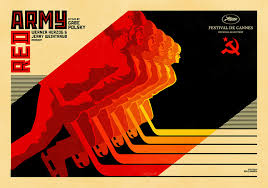
Red Army not just about the Soviet military machine and its hockey team but an insightful documentary about what individual Soviet citizens felt about their country and its ideology. Sport, whether the USA or the Soviet Union, was always about the power struggle between two empires and in this film we see the personal cost for individuals through the stories of five young men who dedicated their lives to hockey and success for the Soviet team. Central to the story is Viacheslav “Slava” Fetisov, one of the stars of the hockey team, who refuses to defect to the West and when he does go to work there sees the vacuity of American life. The film reminds us of why Soviet citizens loved their country; the deaths of 20 million people during the Second World War, a strong sense of their history and culture and living in a much fairer if poorer materially society. It is a fascinating film; not just about one sport but the games that empires play with their citizens and their minds.
Support

liverpool radical film festival
Liverpool Radical Film Festival. Not just screenings of films that do not even get in the art houses but an opportunity to discuss the future of radical film in the UK. There is also an interesting mix of films being shown from countries such as Croatia, Greece, Argentina and Armenia and films about the local Chinese community accompanied by the Chinese Youth Orchestra in Europe. The festival shows the importance of radical film in documenting the lives of people whose struggles are often ignored by the mainstream media. And amazingly its free! Further info see

Go

m beswick
See some new local drama. Michael Beswick’s ‘The Box’ at 3 Minute Theatre.
Produced by the Manchester Shakespeare Company and directed By Gina T. Frost. The play is about the Bennett family; three generations whose lives are thrown upside down by the arrival of a mysterious upside down box in their livingroom. They say; “This is a topical, thought provoking play that deals sensitively with the issue of discrimination from racial prejudice to bullying.” Further info see

Read

rise of islamic
The Rise of Islamic State ISIS and the New Sunni Revolution by Patrick Cockburn. If you marched in 2003 against the Iraq war this will confirm, if you had any doubts, that what was done in our name, has created the conditions for the rise of ISIS. Patrick is one of the few journalists that actually visits these countries and has contacts with many people living in the Middle East. He is also brave enough to tell the truth about the bankruptcy of western foreign policy; the way in which the USA preferred to blame Iraq for 9/11 rather than face the reality of the involvement of Saudi Arabia and Pakistan in sponsoring al-Qaeda. And its new manifestation ISIS Patrick says; “The movement’s toxic but potent mix of extreme religious beliefs and military skill is the outcome of the war in Iraq since the US invasion of 2003 and the war in Syria since 2011.” Best book of the year. Buy it from

Posted in Uncategorized | Tagged , , , , | Leave a comment