Mole Express was a Manchester alternative magazine, first published in 1970, which ran for 7 years and published 57 issues. It gave a voice to the anarchist subculture, publishing articles that exposed corruption and injustice, and offered people a network of support and an alternative lifestyle.
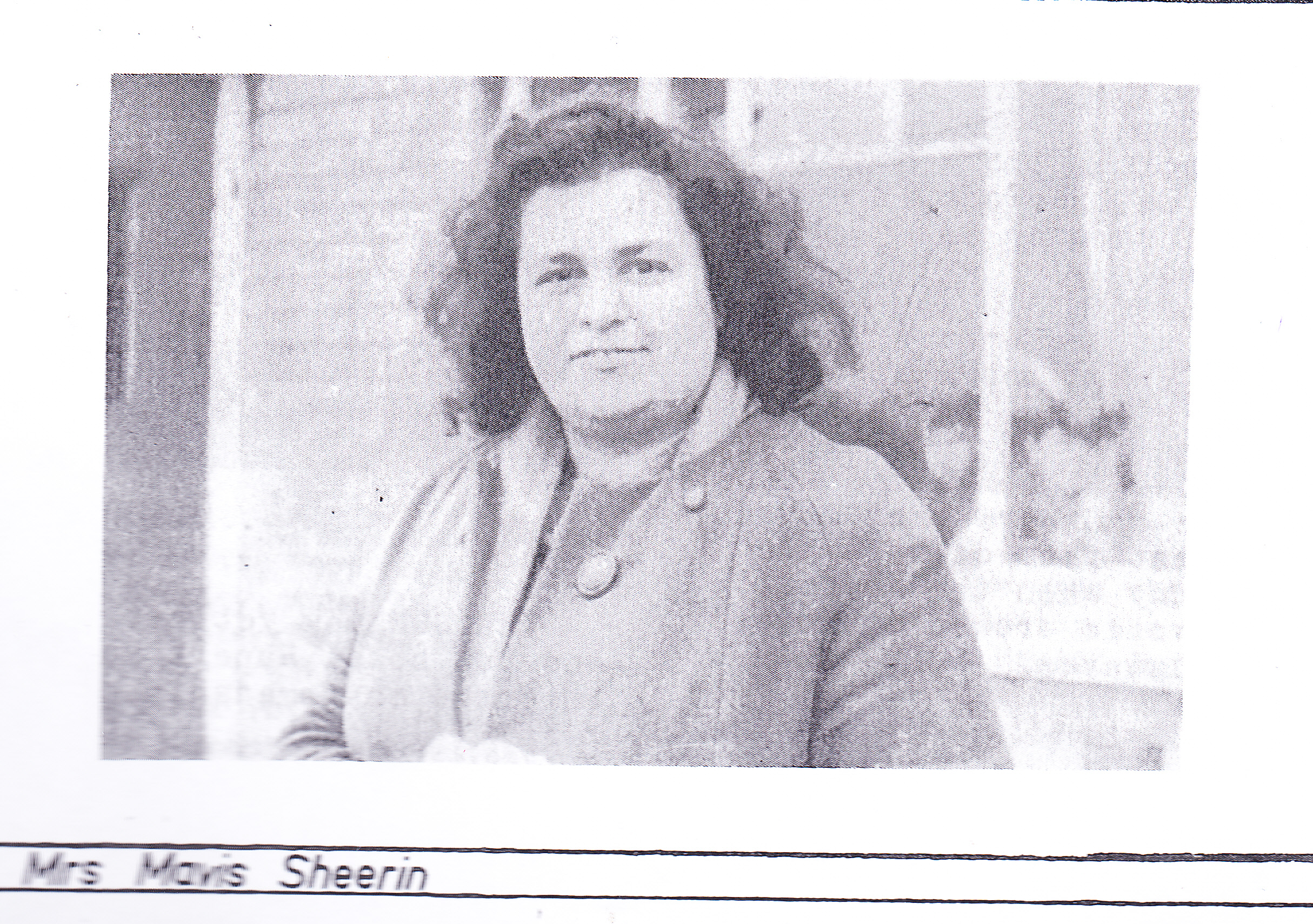
In the June 1972 issue Peter Hannon interviewed Mrs Mavis Sheerin, an Englishwoman who three years earlier, with her Derry-born husband Patrick and children, had returned to the city of his birth. She had lived in Manchester for 30 years, married Patrick in 1954 and set up home in Stretford.
The article “Derry: A Housewife Speaks” exposed the systemic discrimination faced by Catholics in Derry and across the British occupied North of Ireland.
Hannon asked Mrs Sheerin what Derry was like when they arrived in 1969. “There were a few riots. But I was not much surprised, I had seen these things on television – I had seen police batons…The frustration was obvious -it was all the unemployment and that was about being Catholic. The Protestants had all the amenities which are part of life in England.”
Housing
They stayed with Patrick’s mother to begin with, but the could not find any homes to rent. “Now in England there would have been some sort of chance but not here. We put our name down for council houses and looking back now I think it would have been easier if we had been Protestants.” She and Patrick had to put the children in a home whilst they literally walk the streets looking for housing.
Through the Derry Housing Action Committee –an organisation set up in 1968 by socialists and tenants to highlight the discrimination faced by Catholics and to take direct action against housing conditions in Derry – they got a two-bedroom council flat. But it was in the Protestant area of Derry.
When rioting broke out youths attacked them. “They used to throw bricks through our windows and we were shouted at all hours of the day and night ‘Get out you Fenian bastards’. I was glad when the Army arrived but they did nothing.”
In 1970 the family moved to a council house on the Creggan, a large Catholic estate.
Internment
In July 1971 the British Army shot dead two young men in Derry and support for the IRA soared. Gun battles and bomb explosions became routine. in August the Westminster government gave the go ahead for the unionist Stormont government to bring in internment: the aim being to destroy the Provisional IRA by arresting their leadership and crushing the rest of the movement on the streets.
On 9th August at 4.30am hundreds of troops moved into nationalist areas, arresting 340 men in the first hours.
Mrs Sheerin recounted : “They took 17 men that night. I remember being woken about 4.30am by people shouting. ‘They’ve lifted. They’ve lifted men. They’ve raided the houses.” Everyone rushed out. Women banging bin lids on the pavements woke people up and people rushed onto the streets and barricaded off their areas.”
No Loyalists had been arrested, while political activists from the Civil Rights Movement and Peoples Democracy had been taken.
The Resistance
Mrs Sheerin felt that there would not have been violence “if the Army had not started it. The whole place is barricaded. The Army lit the place up the other night with flares for no reason at all but to frighten us.”
She now joined the Northern Ireland Civil Rights Association and became the secretary of the Derry branch. “As well as the campaign we deal with social problems, personal problems, unemployment benefits, housing and so on.”
Bloody Sunday
On 30th January 1972 an anti-internment march took place in Derry. Mrs. Sheerin and fifteen thousand people gathered in Creggan and the march set off shortly after 3pm. An hour later 13 men and boys were dead – innocent and unarmed – they were shot by the British Army’s Parachute Regiment. A 14th man died from his wounds and 17 others, including two women, were injured. It became known as Bloody Sunday.
“In my opinion, “Mrs Sheerin told Mole Express, “ the intention was to shoot so many to put an end to the resistance and it did not matter who they were. I knew five of them and they were there just to march. I think they brought in the toughest men they had but they underestimated the people. They are closer together now than they ever were.”
Mrs Sheerin was not the only English woman in Derry at that time. “There are 30/40 English people here. We gave a press conference all together after Bloody Sunday but the reporters were not interested in that and they didn’t turn up.”
Peter Hannon asks Mrs Sheerin what she would like the British public, the neighbours she left behind in Manchester to do? She replied “I would like them to look further into what’s still going on over here. I’d like to get across why people are still marching and fighting. People don’t take risks like this unless they have something real to fight for.”
Mole Express is available in the archives in Central Reference Library, Manchester and the Working Class Movement Library.Irish people and some political activists in Britain did take action over events in the North of Ireland as discussed in Michael Herbert’s book “The Wearing of the Green”. Buy it here
The Bloody Sunday Inquiry also known as the Saville Report was set up by Prime Minister Tony Blair in 1998. Mrs Sheerin gave evidence on day 125 and you can read it here. Its report was published on 15th June 2010.
The then Prime Minister David Cameron acknowledged that the paratroopers had fired the first shot, had shot at unarmed civilians, and killed one man who was already wounded. He apologised on behalf of the British Government.
Visit the Museum of Free Derry here

 lipstick socialist
Reblogged this on Anarchy in the Sticks!.